Bitcoin and the End of the Petrodollar System
Table of contents
- What is the petrodollar system and how does it work?
- How is Bitcoin challenging the petrodollar dominance?
- What are the geopolitical implications of Bitcoin’s rise on the petrodollar system?
- How are oil-exporting countries responding to the threat to the petrodollar?
- What challenges does Bitcoin face in replacing or disrupting the petrodollar system?
- Frequently Asked Questions
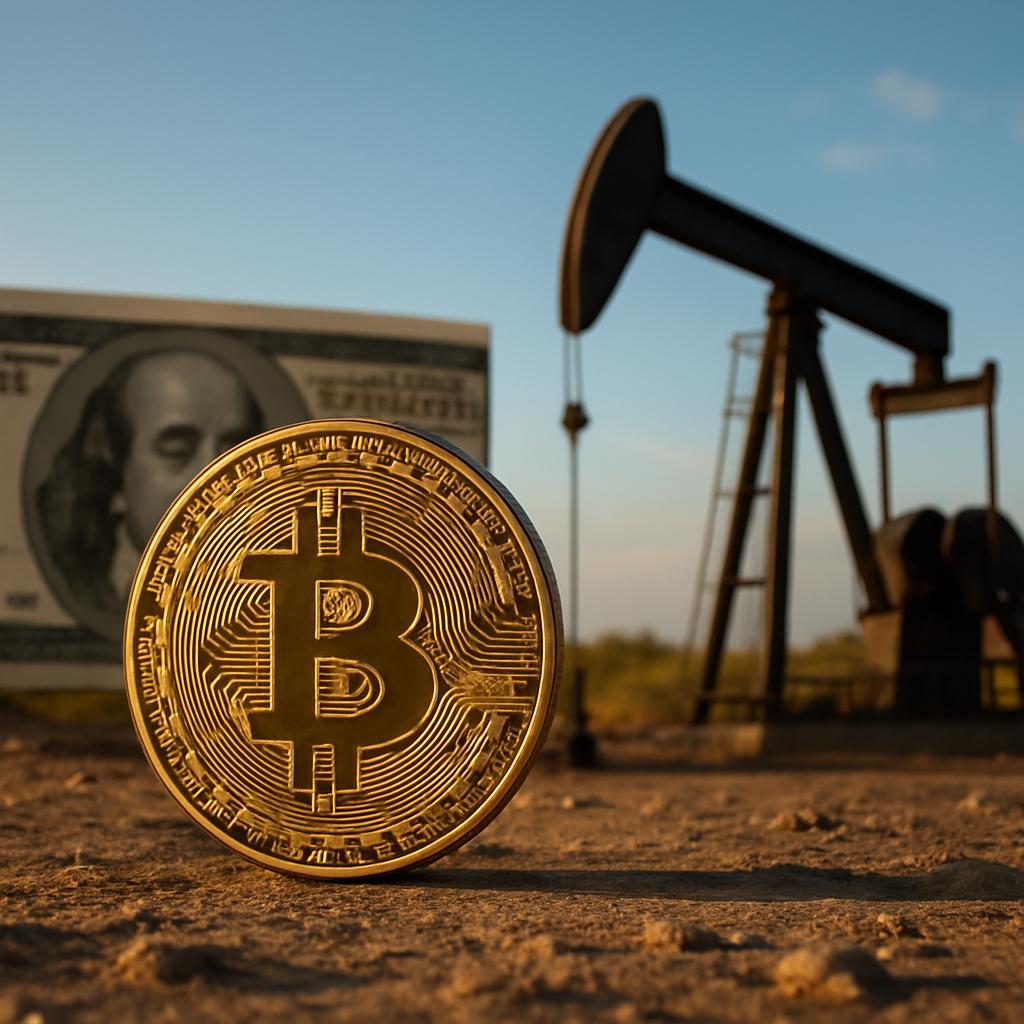
The global financial ecosystem has been shaped for decades by the petrodollar system—a structure where oil sales are predominantly conducted in U.S. dollars. This arrangement has bolstered the dollar’s dominance in international markets and influenced geopolitical dynamics. Recently, Bitcoin has emerged as a disruptive force, prompting discussions about the future of the petrodollar system and how decentralized digital currencies might reshape global finance.
What is the petrodollar system and how does it work?
The petrodollar system originated in the 1970s after the United States struck an agreement with Saudi Arabia to price oil exclusively in U.S. dollars. This move created a steady demand for dollars worldwide, as countries needed the currency to buy oil.
Key features of the petrodollar system include:
- Oil-exporting countries receive payments in U.S. dollars.
- These countries often recycle petrodollars into U.S. debt securities.
- The system reinforces the dollar’s status as the world’s primary reserve currency.
- It grants the U.S. significant leverage in global economic and political matters.
This framework has maintained dollar dominance, but evolving economic trends and technological advances are challenging its longevity.
How is Bitcoin challenging the petrodollar dominance?
Bitcoin operates as a decentralized digital currency without reliance on any central authority or national government. Its core attributes make it a contender for disrupting traditional financial systems like the petrodollar.
Reasons why Bitcoin challenges the petrodollar system:
- Decentralization: No central bank or government controls Bitcoin, reducing reliance on the U.S. dollar.
- Borderless transactions: Bitcoin enables seamless cross-border payments without intermediaries.
- Limited supply: Bitcoin’s capped supply contrasts with fiat currencies that can be printed endlessly.
- Transparency: Blockchain technology allows public verification of transactions, increasing trust.
- Alternative store of value: Some investors use Bitcoin as “digital gold,” hedging against fiat inflation.
Countries and institutions exploring Bitcoin adoption could gradually reduce the global reliance on the U.S. dollar for trade and reserves.
What are the geopolitical implications of Bitcoin’s rise on the petrodollar system?
The intersection of Bitcoin’s global adoption and the petrodollar system carries significant geopolitical weight. The petrodollar has provided the U.S. with leverage in international affairs, often influencing sanctions, trade policies, and diplomatic relations.
Bitcoin’s rise impacts geopolitics in these ways:
- Reduced U.S. influence: Countries may bypass dollar-denominated transactions, weakening U.S. economic sanctions.
- New alliances: Nations might form coalitions around digital currency usage, shifting traditional power balances.
- Sanctions evasion: Bitcoin’s pseudonymous nature could complicate enforcement of sanctions.
- Economic independence: Resource-rich countries may seek to trade oil or other commodities using cryptocurrencies.
These dynamics could reshape global alliances and economic strategies, fostering a multipolar financial world.
How are oil-exporting countries responding to the threat to the petrodollar?
Several oil-exporting nations have started exploring alternatives to the petrodollar system, partly motivated by Bitcoin’s influence and a desire to diversify their economic partnerships.
Examples of responses include:
- Accepting Bitcoin payments: Some countries are experimenting with accepting cryptocurrencies for oil sales.
- Bilateral agreements: Nations pursue trade deals denominated in local currencies or digital assets.
- Diversifying reserves: Central banks invest in Bitcoin or other cryptocurrencies as part of reserve diversification.
- Developing digital currency infrastructures: Governments explore blockchain technology for national financial systems.
These moves indicate a gradual shift away from exclusive reliance on the U.S. dollar in the energy sector.
What challenges does Bitcoin face in replacing or disrupting the petrodollar system?
Despite its potential, Bitcoin confronts substantial obstacles before it can significantly alter the petrodollar landscape.
Key challenges include:
- Volatility: Bitcoin price fluctuations create uncertainty for large-scale commodity transactions.
- Regulatory scrutiny: Governments may impose restrictions to maintain control over their monetary systems.
- Scalability: Current blockchain technology faces limits on transaction speed and volume.
- Adoption barriers: Widespread acceptance by oil producers, buyers, and financial institutions is still limited.
- Environmental concerns: Energy-intensive mining processes raise sustainability questions.
Overcoming these hurdles is critical for Bitcoin to play a transformative role in global trade.
Frequently Asked Questions
How does Bitcoin affect the future of the petrodollar system?
Bitcoin offers an alternative to dollar-denominated oil transactions by enabling decentralized, borderless payments. Its growth could reduce global dependency on the U.S. dollar, challenging the petrodollar system’s dominance.
Can oil be traded directly in Bitcoin today?
Some pilot programs and private agreements have allowed oil sales using Bitcoin, but widespread adoption remains minimal. Market volatility and regulatory factors currently limit large-scale direct Bitcoin oil trading.
Will the petrodollar system collapse because of cryptocurrencies?
The petrodollar system is deeply entrenched and supported by geopolitical interests. While cryptocurrencies introduce competition, a complete collapse is unlikely in the near term but could evolve gradually over time.
What role do governments play in Bitcoin’s impact on the petrodollar?
Governments regulate cryptocurrency usage and can either facilitate or hinder its integration into global trade. Their policies will significantly influence Bitcoin’s potential to disrupt the petrodollar system.