Bitcoin Mining Costs 2025: Breaking Down Operating Expenses
Table of contents
- What are the main components of Bitcoin mining costs in 2025?
- How will electricity costs impact Bitcoin mining expenses in 2025?
- What role does mining hardware play in Bitcoin mining costs for 2025?
- What are the hidden or less obvious operating expenses in Bitcoin mining in 2025?
- How do Bitcoin halvings and market conditions affect mining costs and profitability in 2025?
- Frequently Asked Questions
Bitcoin mining continues to evolve as a competitive and resource-intensive industry. As the ecosystem matures, understanding the operating expenses involved in Bitcoin mining becomes critical for miners, investors, and enthusiasts alike. With 2025 approaching, many are curious about how mining costs will shift and what factors will influence profitability. This article explores the components that make up Bitcoin mining costs in 2025, offering insights into electricity, equipment, maintenance, and other crucial expenses.
What are the main components of Bitcoin mining costs in 2025?
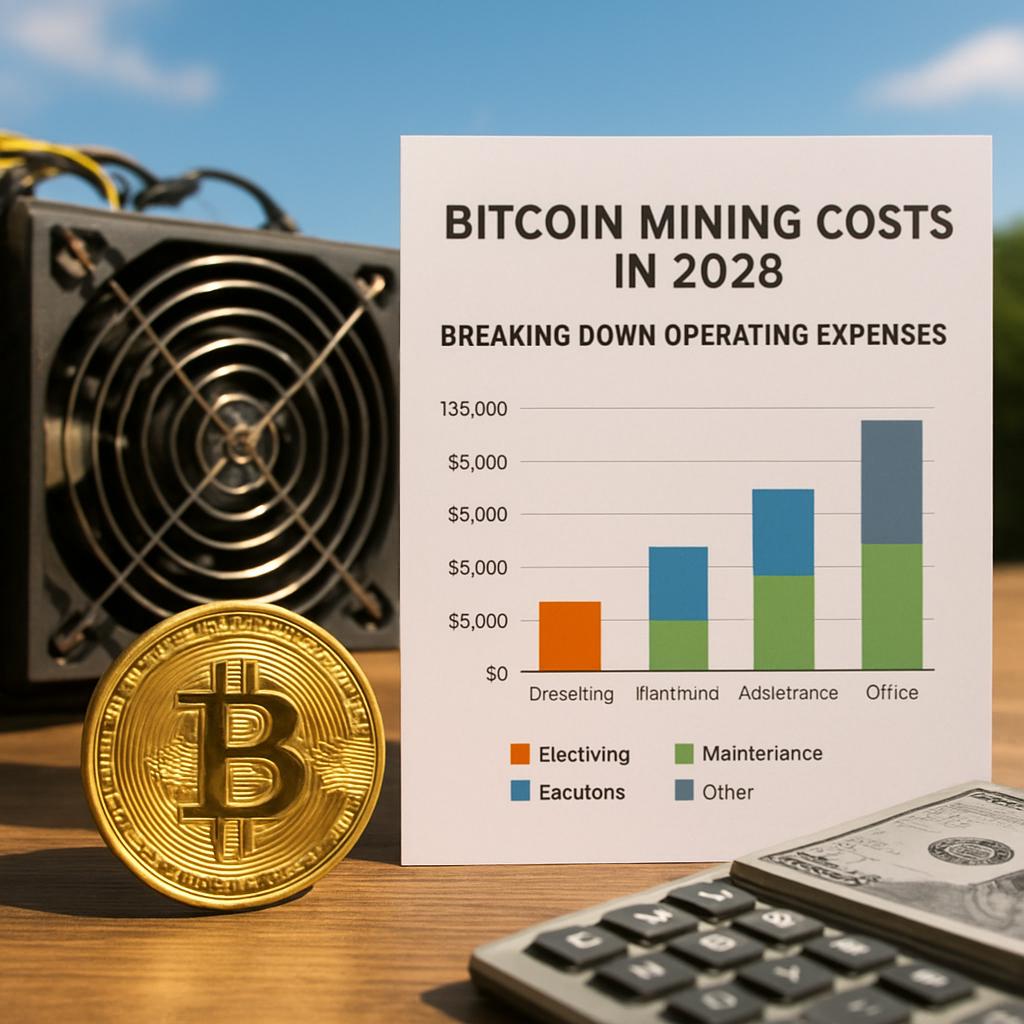
Bitcoin mining costs in 2025 remain influenced by several core factors that determine overall profitability. These include:
- Electricity costs: The largest operating expense, as mining rigs consume significant power.
- Hardware investment: Initial purchase and ongoing upgrades of mining equipment.
- Maintenance and repairs: Keeping machines operational and efficient.
- Facility costs: Rent or ownership expenses for hosting mining hardware.
- Cooling expenses: Managing heat generated by mining rigs.
- Network fees and transaction costs: Though minor, these can affect net earnings.
Each of these components contributes differently depending on the mining setup and geographic location. Miners in regions with low electricity rates enjoy a competitive edge, while those with access to efficient hardware can reduce energy consumption per hash.
How will electricity costs impact Bitcoin mining expenses in 2025?
Electricity remains the single largest cost for Bitcoin miners, often accounting for 60-80% of total expenses. In 2025, electricity pricing trends will significantly influence mining viability:
- Energy price volatility: Fluctuating energy markets may increase unpredictability in costs.
- Renewable energy adoption: More miners are shifting to solar, wind, or hydro power to cut costs and improve sustainability.
- Grid infrastructure: Regions with advanced grids offer more stable and cheaper power.
- Energy efficiency improvements: Newer mining rigs consume less electricity for the same hashing power.
Miners who secure low-cost and stable energy sources stand to maintain profitability despite Bitcoin’s halving cycles and price shifts. Electricity cost per kilowatt-hour (kWh) is a critical metric to track when calculating mining margins.
What role does mining hardware play in Bitcoin mining costs for 2025?
Mining hardware affects both upfront capital expenditure and ongoing operational efficiency. The landscape in 2025 is shaped by:
- ASIC advancements: Application-specific integrated circuits (ASICs) continue to evolve, offering higher hash rates and better energy efficiency.
- Hardware depreciation: Mining machines lose value over time, impacting the investment recovery period.
- Hardware availability: Supply chain challenges may affect prices and lead times.
- Performance vs. cost trade-off: Miners must balance initial cost against long-term electricity savings.
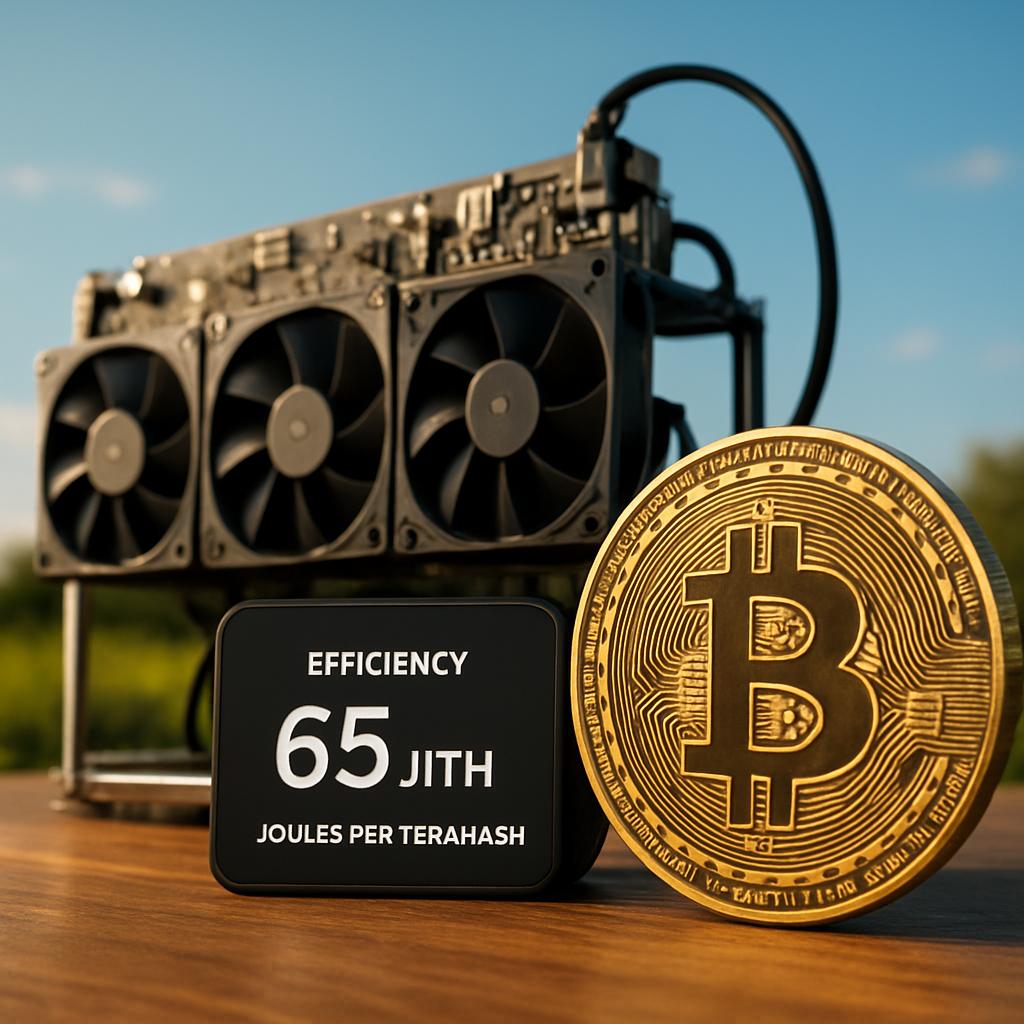
Choosing the right hardware can reduce the energy cost per terahash (TH) and improve overall profitability. Leading models in 2025 are expected to deliver efficiencies near 30-40 joules per terahash.
What are the hidden or less obvious operating expenses in Bitcoin mining in 2025?
Beyond electricity and hardware, other costs influence the total operating expenses of Bitcoin mining:
- Cooling solutions: Effective cooling systems prevent overheating and prolong equipment life. This includes fans, air conditioning, or liquid cooling setups.
- Facility management: Rent, security, and insurance for mining locations add to monthly expenses.
- Labor costs: Skilled technicians for maintenance and troubleshooting.
- Network connectivity: Reliable internet access with minimal downtime is essential.
- Regulatory compliance: Expenses related to permits, taxes, or environmental regulations in certain jurisdictions.
Accounting for these costs ensures miners don’t underestimate total expenses, which can erode profitability if overlooked.
How do Bitcoin halvings and market conditions affect mining costs and profitability in 2025?
Bitcoin’s block reward halving events reduce miner payouts approximately every four years, impacting revenue directly. The next halving expected around 2024-2025 will:
- Cut block rewards: From 6.25 BTC to 3.125 BTC per block, lowering miner income.
- Increase competition: Only efficient miners with lower costs will remain profitable.
- Drive innovation: Pressure to adopt energy-efficient hardware and cheaper energy sources.
- Affect market prices: Bitcoin price fluctuations influence miner revenue and investment decisions.
Miners must optimize operating expenses to remain profitable post-halving, making cost analysis crucial for survival.
Frequently Asked Questions
What is the average electricity cost for Bitcoin mining in 2025?
Electricity costs vary widely by region but typically range from $0.03 to $0.10 per kWh. Miners targeting profitability often seek rates below $0.05 per kWh.
How much does mining hardware cost in 2025?
Top-tier ASIC miners in 2025 can cost between $3,000 and $15,000 depending on performance and model. Bulk purchases and newer models may offer better price-to-performance ratios.
Are renewable energy sources cost-effective for Bitcoin mining?
Yes, renewable energy can reduce long-term electricity costs and carbon footprint. Many mining operations integrate solar or hydroelectric power to lower expenses and improve sustainability.
How often do Bitcoin miners need to upgrade their equipment?
Mining hardware typically remains competitive for 1-2 years before newer, more efficient models make older machines less profitable. Many miners plan upgrades around halving events to maintain efficiency.