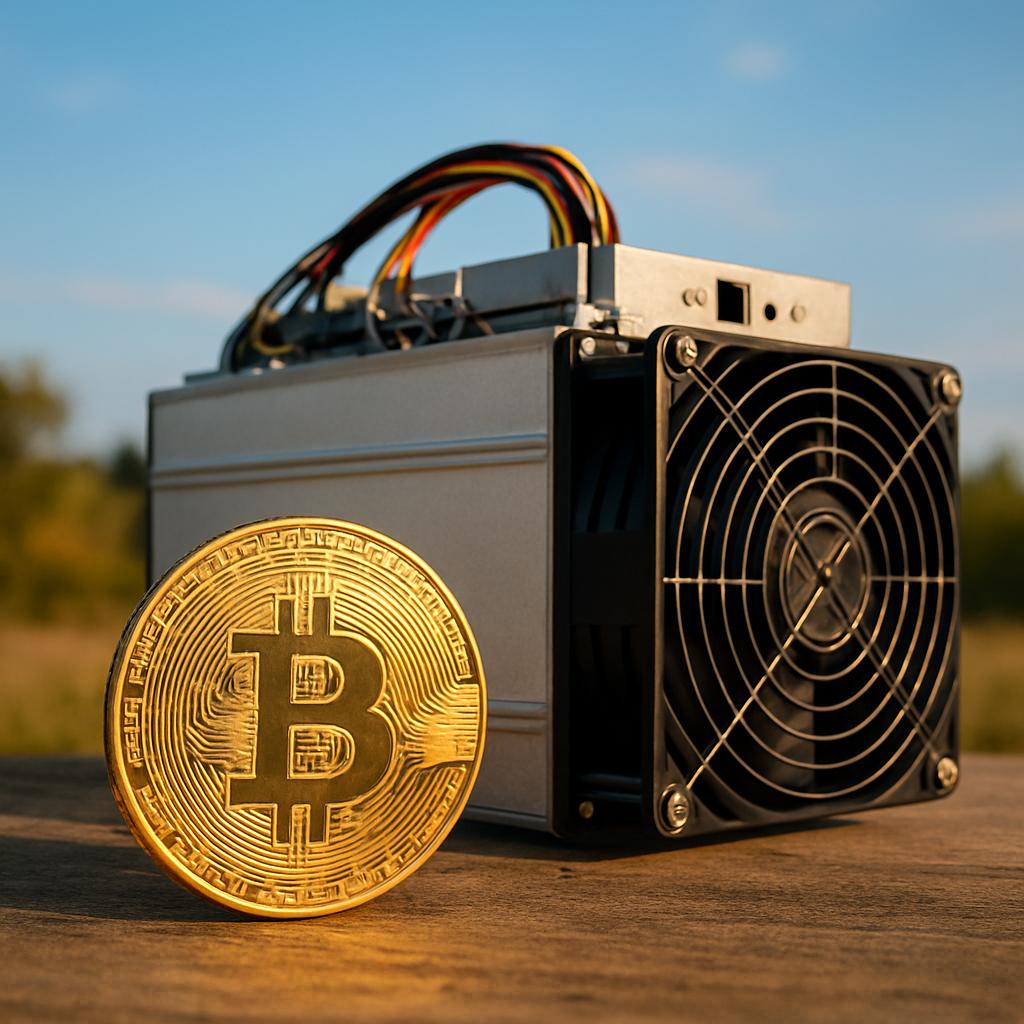
Bitcoin Mining Hardware Lifespan: How Long Do ASICs Last?
Table of contents
- What Is the Typical Lifespan of Bitcoin Mining Hardware ASICs?
- How Do Environmental Factors Affect ASIC Lifespan?
- What Maintenance Practices Extend the Life of Bitcoin Mining ASICs?
- When Do ASICs Become Obsolete in Bitcoin Mining?
- Can Bitcoin Miners Resell or Repurpose Old ASIC Hardware?
- Frequently Asked Questions
The world of Bitcoin mining is ever-evolving, with advancements in technology driving miners to seek the most efficient hardware to maximize profits. Among the critical factors miners consider is the lifespan of their mining equipment, especially ASICs (Application-Specific Integrated Circuits), which dominate the mining landscape. Understanding how long ASICs last can help miners plan their investments, reduce downtime, and optimize returns in the competitive Bitcoin mining ecosystem.
What Is the Typical Lifespan of Bitcoin Mining Hardware ASICs?
Bitcoin mining ASICs are purpose-built machines designed to perform the SHA-256 hashing algorithm with extreme efficiency. The typical operational lifespan of these devices depends on several factors, but on average, ASICs last between 1.5 to 3 years before becoming less profitable or obsolete.
Key points about ASIC lifespan include:
- Physical Durability: ASICs are robust devices but contain electronic components susceptible to wear from heat and constant operation.
- Technological Obsolescence: Rapid advancements in ASIC designs often make older models less efficient compared to newer generations.
- Profitability Window: Even if a device functions physically, it may no longer be profitable due to higher electricity costs or competition from more efficient miners.
Many miners find that after about 2 years, their ASICs start to consume more power relative to their output, prompting upgrades or retirement of the hardware.
How Do Environmental Factors Affect ASIC Lifespan?
The environment in which ASIC miners operate significantly influences their longevity. Heat, dust, humidity, and power fluctuations can all impact the hardware’s performance and lifespan.
Environmental factors to consider:
- Cooling and Ventilation: ASICs generate substantial heat; inadequate cooling can accelerate component degradation.
- Dust Accumulation: Dust inside mining rigs can clog fans and heat sinks, leading to overheating.
- Humidity Levels: Excess moisture can cause corrosion or short circuits within the hardware.
- Stable Power Supply: Frequent power surges or outages can damage electronic components.
Proper environmental management, including using industrial-grade cooling, regular cleaning, and surge protectors, can extend ASIC lifespan by months or even years.
What Maintenance Practices Extend the Life of Bitcoin Mining ASICs?
Regular maintenance is crucial for maximizing the lifespan and efficiency of Bitcoin mining hardware. Simple upkeep routines help prevent hardware failures and maintain optimal performance.
Effective maintenance tips include:
- Routine Cleaning: Remove dust and debris from fans, heat sinks, and circuit boards.
- Monitoring Temperature: Keep ASICs within manufacturer-recommended temperature ranges.
- Firmware Updates: Install updates to optimize performance and fix bugs.
- Checking Power Supplies: Ensure power sources are stable and match the hardware’s specifications.
- Periodic Reboots: Restart machines to clear any software glitches or memory leaks.
Consistent maintenance not only extends hardware life but also reduces unexpected downtime during mining operations.
When Do ASICs Become Obsolete in Bitcoin Mining?
Obsolescence in Bitcoin mining hardware occurs when devices are no longer profitable or compatible with the network’s difficulty and reward structure. This often happens well before the hardware physically fails.
Reasons for ASIC obsolescence include:
- Rising Mining Difficulty: As more miners join the network, difficulty increases, requiring faster hardware.
- Energy Efficiency Advances: Newer ASICs consume less power per hash, making older models inefficient.
- Decreased Block Rewards: Halving events reduce rewards, pushing miners to seek maximum efficiency.
- Network Upgrades: Protocol changes can sometimes impact hardware compatibility.
Miners often retire ASICs when electricity costs exceed mining returns or when repair and maintenance costs surpass benefits.
Can Bitcoin Miners Resell or Repurpose Old ASIC Hardware?
Once ASICs are near the end of their primary mining lifecycle, miners may look for alternative uses or ways to recoup investments. Reselling or repurposing is common in the Bitcoin mining community.
Options for old ASIC hardware:
- Second-Hand Market Sales: Older ASICs can be sold to hobbyists or miners in regions with cheaper electricity.
- Alternative Cryptocurrencies: Some ASICs can mine other SHA-256-based coins like Bitcoin Cash.
- Experimentation and Learning: Used ASICs provide affordable access for enthusiasts to learn mining.
- Recycling Components: Valuable parts like fans and power supplies can be recycled or reused.
Resale value decreases as hardware ages, but there remains a niche market for older ASIC models.
Frequently Asked Questions
How long do Bitcoin mining ASICs typically last in continuous operation?
On average, Bitcoin mining ASICs last between 18 months to 3 years under continuous operation, depending on maintenance and environmental conditions.
What causes ASIC mining hardware to fail prematurely?
Common causes include overheating, dust build-up, unstable power supply, and lack of regular maintenance, all of which can damage electronic components.
Is it profitable to keep using older ASIC miners?
Older ASICs may still operate but often become unprofitable due to higher energy consumption and reduced mining rewards compared to newer models.
Can I upgrade the firmware to extend my ASIC’s lifespan?
Yes, firmware updates can improve efficiency, fix bugs, and sometimes add features that extend the practical lifespan of your mining hardware.