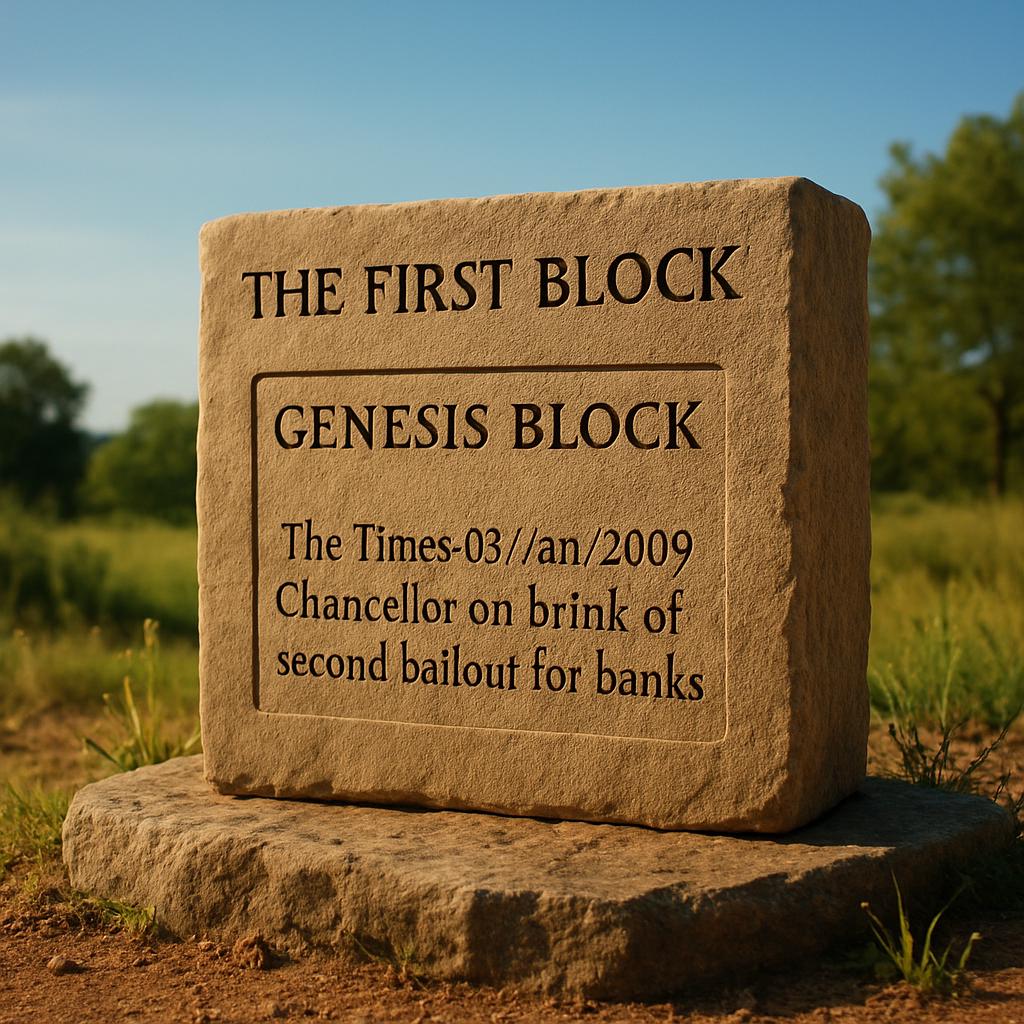
Bitcoin's Immaculate Conception: The Genesis Block and Its Significance
Table of contents
- What is Bitcoin’s Genesis Block and why is it important?
- How does the Genesis Block differ from other Bitcoin blocks?
- What is the historical significance of the Genesis Block’s embedded message?
- How does the Genesis Block influence Bitcoin’s security and trust model?
- What lessons does Bitcoin’s Genesis Block teach about blockchain innovation?
- Frequently Asked Questions
The creation of Bitcoin marked a pivotal moment in financial history, setting the stage for a decentralized digital currency revolution. At the heart of this inception lies the Genesis Block—the very first block of the Bitcoin blockchain. This foundational element represents more than just the start of a new technology; it encapsulates the philosophy, challenges, and ambitions of the Bitcoin project. Understanding the Genesis Block and its significance provides deeper insight into how Bitcoin works and why it continues to shape the future of finance.
What is Bitcoin’s Genesis Block and why is it important?
The Genesis Block, also known as Block 0, is the initial block of the Bitcoin blockchain. It was mined by Bitcoin’s creator, Satoshi Nakamoto, on January 3, 2009. This block kickstarted the Bitcoin network and established the first batch of coins.
Key aspects of the Genesis Block include:
- It contains 50 bitcoins, the first-ever bitcoin reward.
- The block has a unique embedded message in its coinbase parameter.
- It serves as the root from which all subsequent blocks are linked.
The importance of the Genesis Block extends beyond its technical role. It symbolizes the birth of a decentralized monetary system, free from traditional financial institutions. This block also acts as a timestamp, anchoring Bitcoin’s history to a specific moment in time.
How does the Genesis Block differ from other Bitcoin blocks?
Unlike all other blocks in the Bitcoin blockchain, the Genesis Block has some unique characteristics:
- It has no previous block reference, as it is the very first.
- The 50 bitcoins generated in this block are unspendable due to the way the code was written.
- It includes a hidden message referencing a headline from The Times newspaper dated January 3, 2009: “Chancellor on brink of second bailout for banks.”
These differences highlight the symbolic nature of the Genesis Block. The embedded message is often interpreted as a critique of traditional banking and a motivation for Bitcoin’s creation. This feature does not exist in subsequent blocks, making the Genesis Block a one-of-a-kind marker in Bitcoin’s ledger.
What is the historical significance of the Genesis Block’s embedded message?
The embedded text in the Genesis Block’s coinbase field reads: “The Times 03/Jan/2009 Chancellor on brink of second bailout for banks.” This message carries multiple layers of significance:
- It acts as a timestamp, proving the block could not have been created before that date.
- It reflects the economic climate during Bitcoin’s inception, amidst the 2008 financial crisis.
- It serves as a political statement against centralized banking and government bailouts.
This message connects Bitcoin’s origin story to real-world events, underscoring its intention to offer an alternative to traditional financial systems. The timing and content of this message have fueled much discussion about Bitcoin’s role as a hedge against systemic risks.
How does the Genesis Block influence Bitcoin’s security and trust model?
The Genesis Block sets the foundation for Bitcoin’s security model by establishing the first validated block on the blockchain. From this block, every subsequent block is cryptographically linked, creating an immutable ledger.
Influences include:
- Providing the initial reference point for the chain of trust.
- Anchoring the proof-of-work consensus mechanism.
- Ensuring transparency and verifiability of all future transactions.
Because the Genesis Block is hardcoded into Bitcoin software, every node in the network agrees on this starting point. This uniform consensus is critical for maintaining the network’s integrity and preventing double-spending or other attacks.
What lessons does Bitcoin’s Genesis Block teach about blockchain innovation?
The Genesis Block embodies several key lessons for blockchain technology and digital innovation:
- The power of embedding meaningful data within a blockchain to convey context or intent.
- How a single, well-defined starting point can enable trustless consensus across a distributed network.
- The importance of transparency and immutability in building resilient systems.
- The potential of combining cryptography, economics, and software engineering to create new paradigms.
Developers and entrepreneurs studying Bitcoin’s Genesis Block can draw inspiration for designing decentralized applications and protocols that prioritize security, openness, and user sovereignty.
Frequently Asked Questions
What is the Genesis Block in Bitcoin?
The Genesis Block is the first block ever mined on the Bitcoin blockchain, created by Satoshi Nakamoto on January 3, 2009. It marks the official start of the Bitcoin network.
Why can’t bitcoins from the Genesis Block be spent?
The 50 bitcoins generated in the Genesis Block are unspendable because of a quirk in the original Bitcoin code, which does not allow spending coins from this first block.
What does the message in the Genesis Block mean?
The embedded message quotes a headline from The Times newspaper on the day the block was mined, highlighting the financial crisis and government bailouts, which Bitcoin aims to address through decentralization.
How does the Genesis Block affect Bitcoin’s security?
The Genesis Block serves as the foundation of Bitcoin’s blockchain, anchoring the entire chain and ensuring all nodes start from the same trusted point, which is crucial for network security and consensus.