From Pizza to El Salvador: Key Moments in Bitcoin's History
Table of contents
- What was the first real-world Bitcoin transaction involving pizza?
- How did Bitcoin’s price milestones shape its adoption?
- What was the significance of El Salvador making Bitcoin legal tender?
- Which regulatory actions have impacted Bitcoin’s growth globally?
- How have Bitcoin technological advancements influenced its history?
- Frequently Asked Questions
Bitcoin’s journey from a niche digital experiment to a globally recognized asset is filled with fascinating stories and pivotal events. From the iconic first purchase of a pizza with Bitcoin to the groundbreaking decision by El Salvador to adopt it as legal tender, Bitcoin’s evolution reflects its growing influence in finance and technology. Exploring key moments in Bitcoin’s history reveals how it has transformed perceptions of money, sparked innovation in blockchain, and challenged traditional financial systems worldwide.
What was the first real-world Bitcoin transaction involving pizza?
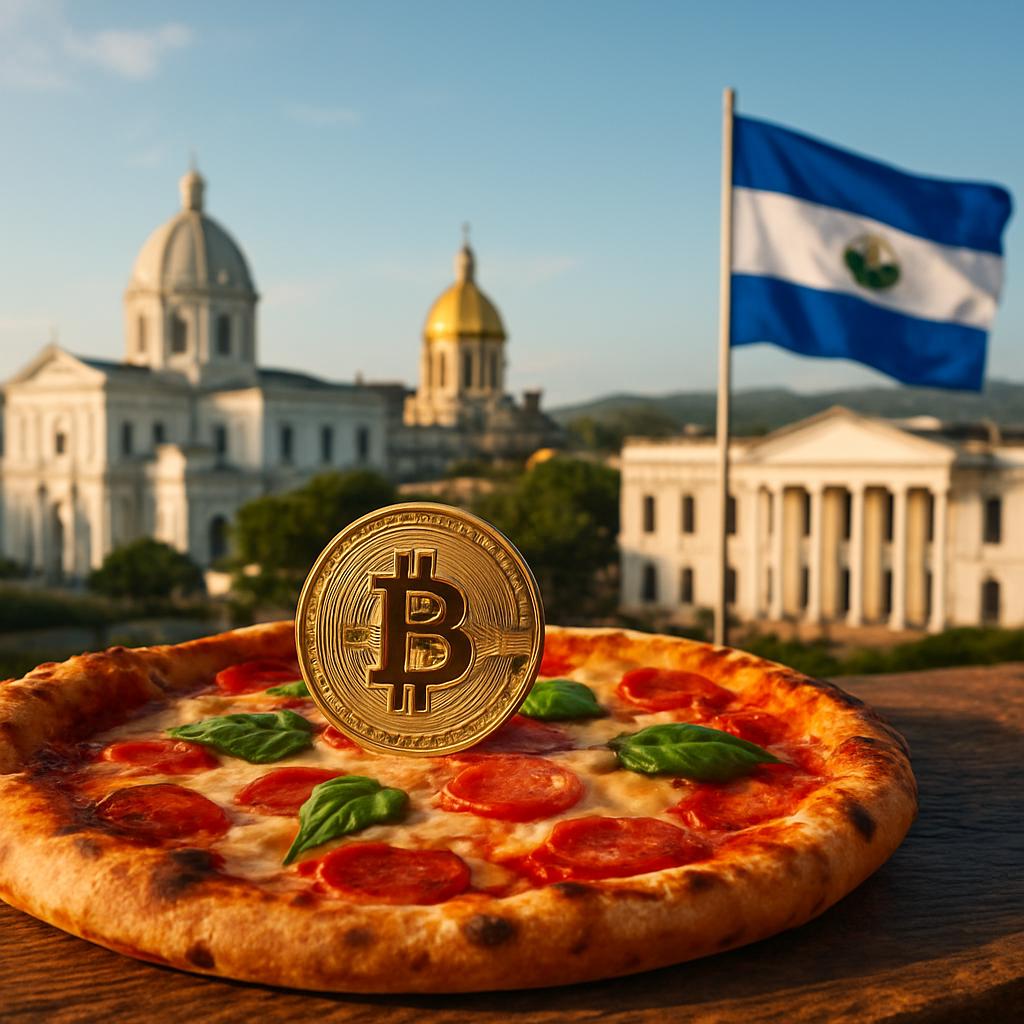
One of the earliest and most famous Bitcoin transactions was when a programmer named Laszlo Hanyecz paid 10,000 BTC for two pizzas in May 2010. This event is widely regarded as the first real-world purchase using Bitcoin.
- The pizzas cost about $25 at the time.
- Those 10,000 BTC would be worth hundreds of millions today.
- This transaction demonstrated Bitcoin’s potential as a medium of exchange beyond digital forums.
- It is celebrated annually as “Bitcoin Pizza Day” by the crypto community.
This purchase marked a significant shift from Bitcoin being a theoretical digital asset to something with tangible purchasing power.
How did Bitcoin’s price milestones shape its adoption?
Bitcoin’s price history features several notable milestones that influenced public interest and adoption:
- In 2011, Bitcoin reached parity with the US dollar for the first time.
- By late 2013, it surged past $1,000, capturing mainstream attention.
- The dramatic bull run of 2017 pushed Bitcoin close to $20,000.
- After a period of correction, Bitcoin surpassed $60,000 in 2021.
These price surges attracted investors, media, and new users, fueling growth in exchanges, wallets, and merchant acceptance. Each milestone helped Bitcoin move from a curiosity to a serious asset class.
What was the significance of El Salvador making Bitcoin legal tender?
In September 2021, El Salvador became the first country to officially adopt Bitcoin as legal tender alongside the US dollar. This unprecedented move made waves across the financial world.
- The government launched a digital wallet called “Chivo” to facilitate Bitcoin usage.
- Citizens could use Bitcoin for everyday transactions and pay taxes.
- El Salvador aimed to attract crypto investors and remittance flows.
- The initiative sparked debates about regulation, volatility, and financial inclusion.
El Salvador’s decision put Bitcoin in the spotlight as a national currency, testing its viability at a sovereign level and inspiring other countries to explore crypto adoption.
Which regulatory actions have impacted Bitcoin’s growth globally?
Bitcoin’s rise has prompted regulatory responses worldwide, affecting its development and acceptance:
- In 2013, China banned financial institutions from handling Bitcoin transactions, causing price dips.
- The US has implemented Know Your Customer (KYC) and Anti-Money Laundering (AML) rules for exchanges.
- Countries like India and Russia have debated outright bans or heavy restrictions.
- Meanwhile, jurisdictions such as Switzerland and Singapore have embraced crypto-friendly regulations.
The evolving regulatory landscape influences market confidence, institutional participation, and innovation in Bitcoin infrastructure.
How have Bitcoin technological advancements influenced its history?
Bitcoin’s protocol and ecosystem have undergone key technological improvements that shaped its trajectory:
- The introduction of Segregated Witness (SegWit) in 2017 improved scalability.
- The development of the Lightning Network enabled faster, cheaper Bitcoin transactions off-chain.
- Enhanced privacy features and multisignature wallets increased security.
- Continuous updates from Bitcoin Core developers maintain network stability.
These innovations address earlier limitations and pave the way for wider Bitcoin adoption in payments and decentralized finance (DeFi).
Frequently Asked Questions
When was Bitcoin first used to buy something in the real world?
Bitcoin was first used to purchase two pizzas in May 2010 when 10,000 BTC were exchanged, marking the first documented real-world Bitcoin transaction.
Why did El Salvador choose to adopt Bitcoin as legal tender?
El Salvador adopted Bitcoin to boost financial inclusion, attract crypto investment, and reduce remittance fees, becoming the first nation to recognize Bitcoin as official currency.
How have Bitcoin price surges affected its popularity?
Price increases have attracted investors and media attention, leading to greater adoption, expansion of crypto services, and mainstream awareness of Bitcoin.
What are the main regulatory challenges Bitcoin faces globally?
Bitcoin faces challenges like government bans, regulatory uncertainty, and compliance requirements, which impact its accessibility and integration into traditional financial systems.