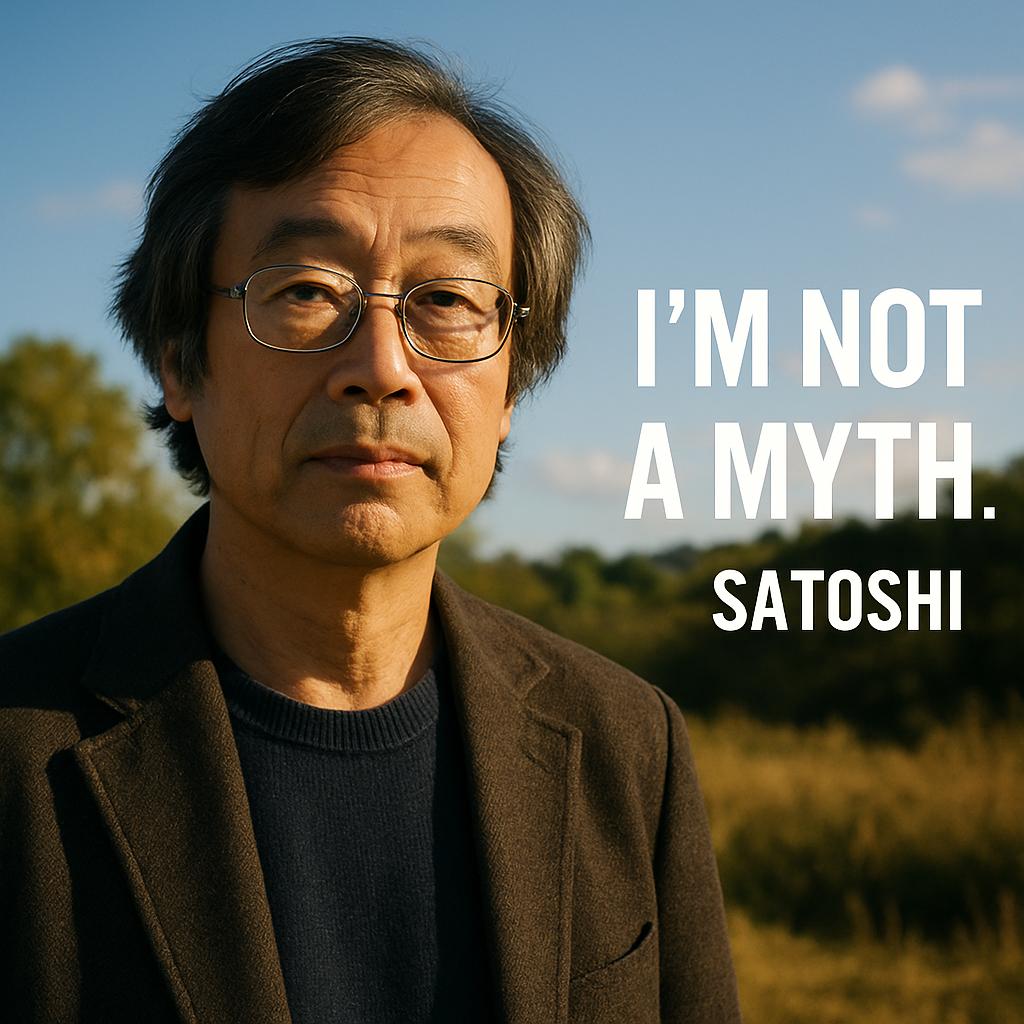
Satoshi’s Quote: I’m not a myth
Table of contents
- What does Satoshi’s quote “I’m not a myth” mean in the context of Bitcoin?
- How does the quote “I’m not a myth” impact the perception of Bitcoin’s creator?
- Why is Satoshi Nakamoto’s identity still a mystery despite the quote “I’m not a myth”?
- How does understanding Satoshi’s statement influence Bitcoin’s legacy and future?
- What lessons can crypto enthusiasts learn from Satoshi’s quote “I’m not a myth”?
- Frequently Asked Questions
Satoshi Nakamoto’s identity has been shrouded in mystery since Bitcoin’s inception, spawning countless theories and legends. Yet, one of Satoshi’s lesser-discussed statements cuts through the fog: “I’m not a myth.” This declaration challenges the narrative that Satoshi is merely a symbolic figure or an urban legend in the crypto world. Exploring this quote opens a window into Bitcoin’s origins and the ongoing quest to understand the person or group behind the revolutionary technology.
What does Satoshi’s quote “I’m not a myth” mean in the context of Bitcoin?
When Satoshi Nakamoto stated, “I’m not a myth,” it was a direct assertion of existence, countering the widespread speculation that Satoshi might be a fictional entity created to personify Bitcoin. This phrase emphasizes that Bitcoin was developed by a real individual or team with concrete intentions rather than a nebulous legend.
This statement can be interpreted as a pushback against:
- Rumors suggesting Satoshi never existed
- The idea that Bitcoin’s creator is a purely symbolic figure
- The mythologizing of Satoshi in crypto culture
Satoshi’s insistence on being real reminds the community to focus not just on the mystique but on the technology and principles that Bitcoin embodies.
How does the quote “I’m not a myth” impact the perception of Bitcoin’s creator?
The quote influences how Bitcoin enthusiasts and skeptics view Satoshi Nakamoto. It humanizes the creator, suggesting a tangible presence behind the groundbreaking whitepaper and early codebase.
Key impacts include:
- Encouraging respect for the creator’s vision and technical expertise
- Shifting discussions from conspiracy theories to Bitcoin’s practical applications
- Highlighting the importance of acknowledging Satoshi’s real-world contributions
This shifts the narrative from myth-making to appreciating the foundational work that helped launch an entire financial revolution.
Why is Satoshi Nakamoto’s identity still a mystery despite the quote “I’m not a myth”?
Even though Satoshi declared not being a myth, their true identity remains unknown because they stopped communicating publicly in 2010 and have never revealed personal information. The quote does not clarify who Satoshi is, only that they are real.
Reasons for the continued mystery include:
- The desire for privacy and anonymity by Satoshi themselves
- The decentralized ethos of Bitcoin discouraging focus on a single person
- The passage of time and lack of definitive evidence tying the name to an individual or group
This intentional anonymity has helped Bitcoin grow beyond its creator’s persona, emphasizing the technology over the individual.
How does understanding Satoshi’s statement influence Bitcoin’s legacy and future?
Recognizing that Satoshi is “not a myth” reinforces the idea that Bitcoin was developed with real-world objectives: creating a decentralized, censorship-resistant digital currency. This understanding helps frame Bitcoin’s legacy as a product of human innovation rather than folklore.
Effects on Bitcoin’s legacy and future:
- Motivates ongoing development aligned with Satoshi’s original vision
- Inspires trust in Bitcoin’s foundational principles rooted in real expertise
- Encourages the community to remain grounded in the technology’s practical value rather than speculative legends
Satoshi’s statement anchors Bitcoin’s story in reality, which is crucial for its ongoing adoption and evolution.
What lessons can crypto enthusiasts learn from Satoshi’s quote “I’m not a myth”?
The quote offers several lessons for those involved in Bitcoin and the broader cryptocurrency space. It reminds the community to focus on substance rather than sensationalism.
Key takeaways include:
- Value real innovation and code over hype and speculation
- Respect the human effort behind technological breakthroughs
- Maintain a healthy skepticism toward myths and unverified claims
- Emphasize Bitcoin’s fundamental purpose over personality cults
By keeping Satoshi’s words in mind, crypto participants can foster a more mature and grounded ecosystem.
Frequently Asked Questions
Who is Satoshi Nakamoto if they’re not a myth?
Satoshi Nakamoto is the pseudonymous creator of Bitcoin who authored its whitepaper and developed its original software. While their true identity remains unknown, their existence is confirmed through early communications and contributions to Bitcoin’s code.
Why did Satoshi say “I’m not a myth”?
Satoshi likely said this to assert their real-world presence and counter rumors suggesting Bitcoin’s creator was fictional or symbolic. The statement reinforces that Bitcoin was created by an actual person or group with clear intent.
Does knowing Satoshi’s identity matter for Bitcoin’s future?
Bitcoin’s design intentionally minimizes the need for the creator’s identity to matter, focusing on decentralized trust. While many are curious about who Satoshi is, the technology’s security and utility do not depend on knowing this information.
Has anyone proven they are Satoshi Nakamoto?
No individual has provided verifiable proof to be Satoshi Nakamoto, such as cryptographic signatures from Satoshi’s known keys. Various claims have been made, but none have met the crypto community’s standards for verification.