The Story of Bitcoin’s First Hardware Wallet
Table of contents
- What was Bitcoin’s first hardware wallet and why was it created?
- How did Bitcoin’s first hardware wallet work technically?
- What challenges did early hardware wallet developers face?
- How did Bitcoin’s first hardware wallet influence today’s market?
- What features defined the first hardware wallet compared to today’s models?
- Frequently Asked Questions
The rise of Bitcoin introduced the need for secure storage solutions as digital assets began to gain value and attention. Early users quickly realized that keeping private keys on internet-connected devices exposed them to hacking risks. This vulnerability sparked the development of hardware wallets, physical devices designed to hold private keys offline. Among the pioneers in this space was Bitcoin’s first hardware wallet, a device that laid the foundation for today’s security standards in cryptocurrency storage. Understanding its story provides insight into how Bitcoin security evolved and why hardware wallets remain a trusted choice for safeguarding digital wealth.
What was Bitcoin’s first hardware wallet and why was it created?
Bitcoin’s first hardware wallet emerged as a response to the increasing security challenges faced by early Bitcoin adopters. Before hardware wallets, users stored their private keys in software wallets on computers or smartphones, making them susceptible to malware and phishing attacks.
The initial hardware wallet aimed to:
- Store private keys offline to prevent exposure to internet-based threats.
- Enable users to sign transactions securely without revealing keys.
- Offer a user-friendly interface for managing Bitcoin holdings safely.
One of the earliest known hardware wallet projects was designed by a group of Bitcoin enthusiasts who wanted a physical device that could generate and store private keys independently. While not commercially mass-produced at first, these prototypes set the stage for later products like Trezor and Ledger.
How did Bitcoin’s first hardware wallet work technically?
At its core, the first hardware wallet functioned by isolating private keys from the internet environment. Its technical design included:
- A secure microcontroller chip responsible for key generation and storage.
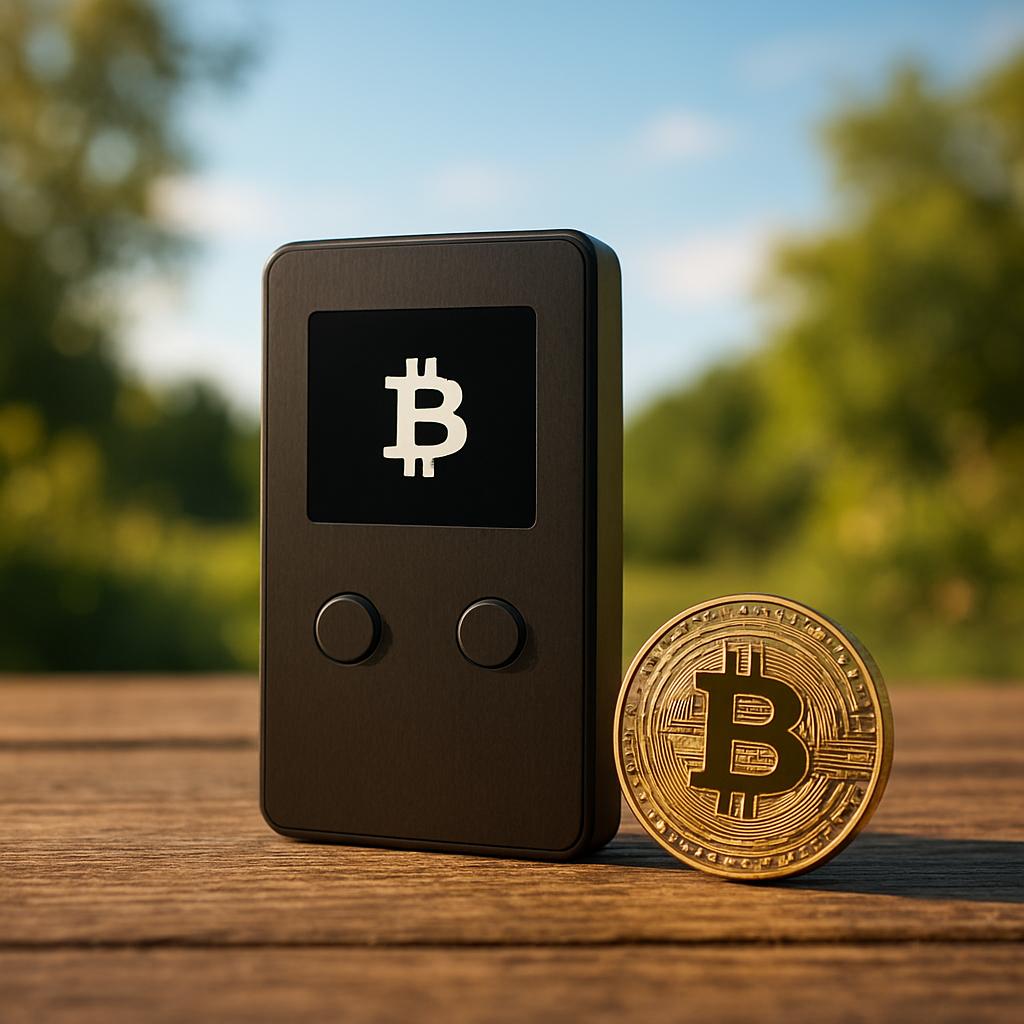
- A simple display and button interface to confirm transaction details.
- Firmware that enabled signing Bitcoin transactions internally without exposing keys externally.
Users would connect the hardware wallet to a computer via USB or another interface. When a transaction needed approval, the unsigned transaction data was sent to the device, which then displayed the details for user confirmation. Upon approval, the wallet signed the transaction with the private key stored internally and sent the signed transaction back to the computer for broadcast to the Bitcoin network.
This process ensured that private keys never left the secure environment of the hardware wallet, dramatically reducing the risk of theft via malware or hacking.
What challenges did early hardware wallet developers face?
Creating the first hardware wallet came with multiple hurdles:
- Security vs. Usability: Balancing tight security measures with a user-friendly experience was difficult. Early prototypes often had limited interfaces, making them less accessible for non-technical users.
- Cost of Production: Initial hardware wallet devices were expensive to design and manufacture, limiting availability to a small group of enthusiasts.
- Lack of Industry Standards: No widely accepted protocols or best practices existed, meaning developers had to innovate security features from scratch.
- Skepticism from Users: Many early Bitcoin users were wary of entrusting their private keys to physical devices they didn’t fully understand.
Despite these obstacles, the persistence of early developers helped create a product that demonstrated hardware wallets’ potential to revolutionize Bitcoin security.
How did Bitcoin’s first hardware wallet influence today’s market?
The innovation behind Bitcoin’s first hardware wallet laid the groundwork for a thriving industry focused on cryptocurrency security. Its influence can be seen in several ways:
- Inspiration for Modern Devices: Companies like Ledger, Trezor, and KeepKey built upon the concept of offline private key storage and secure transaction signing.
- Raising Security Awareness: The hardware wallet’s success highlighted the importance of secure key management, pushing exchanges and users to adopt better practices.
- Establishing Security Standards: Early designs contributed to industry standards, including secure chip usage and open-source firmware.
- Expanding Use Cases: Beyond Bitcoin, hardware wallets now support multiple cryptocurrencies, decentralized finance (DeFi) apps, and more.
The first hardware wallet proved that physical security could coexist with digital convenience, encouraging broader adoption of safe storage solutions across the crypto ecosystem.
What features defined the first hardware wallet compared to today’s models?
While foundational, the first hardware wallet had a simpler feature set than modern devices:
- Basic User Interface: Small screens and physical buttons allowed for transaction confirmation but lacked touchscreen or app integration.
- Limited Connectivity: Usually connected via USB only, without Bluetooth or wireless options.
- Single-Currency Support: Primarily focused on Bitcoin, without support for altcoins or tokens.
- Firmware Updates: Early devices had limited or no capability for firmware upgrades, increasing vulnerability to bugs.
In contrast, contemporary hardware wallets offer:
- Multi-currency support for hundreds of tokens.
- Bluetooth and USB connectivity.
- Touchscreen displays or companion mobile apps for enhanced usability.
- Regular firmware updates to patch security vulnerabilities.
- Recovery seed phrases and multisignature wallet support.
These advancements build on the pioneering work of the first hardware wallet, making crypto storage safer and more convenient.
Frequently Asked Questions
What was the very first Bitcoin hardware wallet called?
The earliest Bitcoin hardware wallets didn’t have commercial brand names but were often experimental devices created by developers and Bitcoin enthusiasts. The first widely recognized commercial hardware wallet was the Trezor, launched in 2014, which popularized the concept.
How does a hardware wallet protect Bitcoin private keys?
Hardware wallets store private keys inside a secure chip that never exposes them to the connected computer or internet. Transactions are signed within the device, meaning private keys never leave the hardware, protecting them from malware or hacking attacks.
Can Bitcoin’s first hardware wallet still be used today?
Original prototypes of Bitcoin’s first hardware wallet are generally obsolete and lack modern security features. Current hardware wallets offer stronger protections, support for multiple cryptocurrencies, and firmware updates, making them better choices for secure storage.
Why are hardware wallets considered safer than software wallets?
Hardware wallets keep private keys offline, away from internet-connected devices vulnerable to viruses and hacking. Software wallets store keys on computers or phones, which can be compromised through malware, phishing attacks, or device theft.