The Story of Bitcoin’s First Mobile Wallet
Table of contents
- What is Bitcoin’s first mobile wallet and why was it important?
- When and how was Bitcoin’s first mobile wallet developed?
- How did the first Bitcoin mobile wallet impact user experience and security?
- What challenges did the first Bitcoin mobile wallet face?
- How did Bitcoin mobile wallets evolve after the first release?
- Frequently Asked Questions
Bitcoin transformed the way we think about money, enabling peer-to-peer transactions without intermediaries. While it started as a digital asset primarily accessed via desktop, the rise of mobile wallets marked a significant turning point. The first mobile Bitcoin wallet made it easier for users to carry their currency in their pockets, opening new possibilities for adoption and everyday use. Exploring the origins of Bitcoin’s initial mobile wallet reveals how innovation met convenience to bring cryptocurrency closer to the masses.
What is Bitcoin’s first mobile wallet and why was it important?
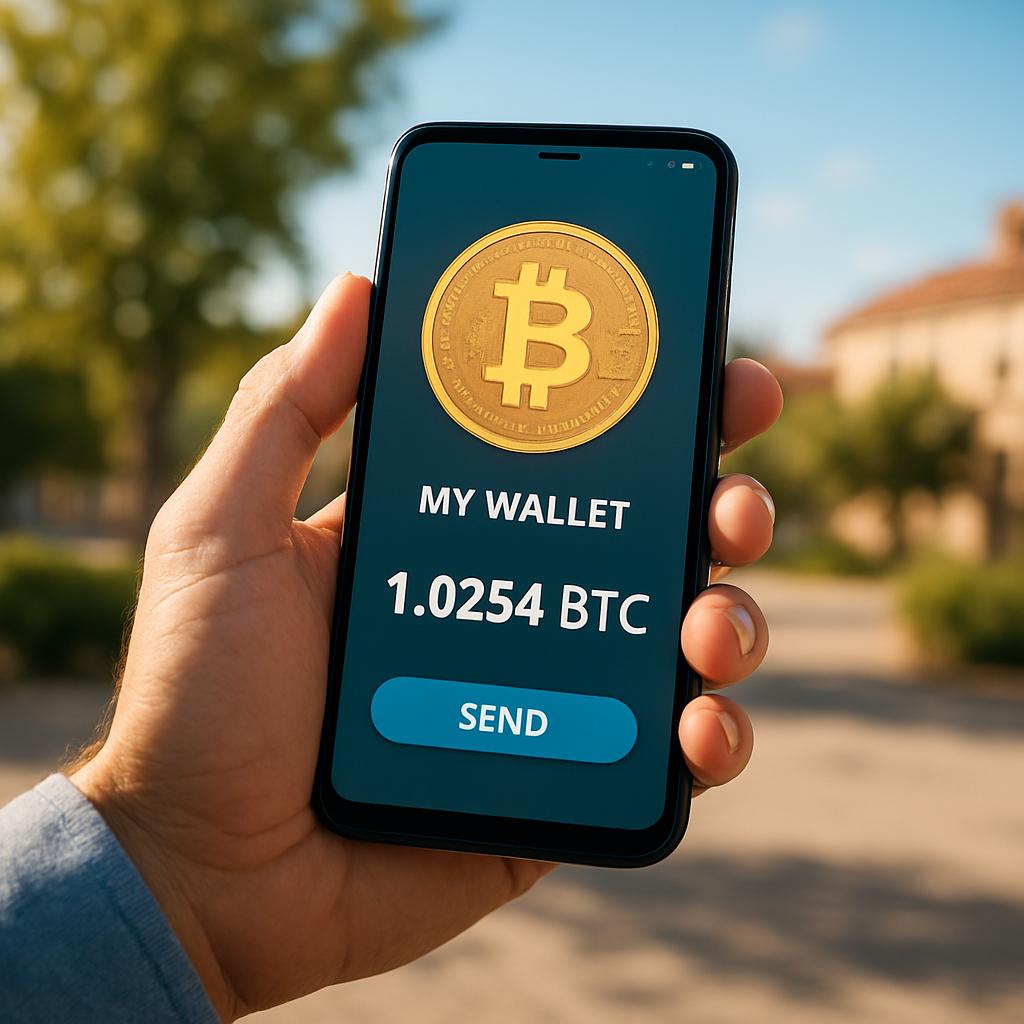
The first mobile wallet for Bitcoin was introduced to allow users to send, receive, and store BTC directly on their smartphones. Before mobile wallets, accessing Bitcoin required desktop software or web interfaces, which limited ease of use and real-time transactions on the go.
Key reasons why the first Bitcoin mobile wallet mattered:
- Accessibility: Made Bitcoin usable anywhere with a phone.
- Convenience: Enabled quick payments without needing a computer.
- Adoption: Lowered the technical barrier for new users.
- Security: Allowed users to control private keys on their personal devices.
This innovation paved the way for widespread mobile adoption of cryptocurrencies, laying groundwork for the myriad of wallets available today.
When and how was Bitcoin’s first mobile wallet developed?
Bitcoin’s initial mobile wallet was launched in early 2011, shortly after Bitcoin itself gained traction. One of the pioneering wallets was developed for the Android platform by a developer named Andreas Schildbach. His wallet aimed to bring the full functionality of Bitcoin to mobile users.
Development highlights:
- Platform: Initially for Android smartphones.
- Features: Included key generation, address book, send/receive capabilities.
- Open Source: Released as open source to encourage community contributions.
- Usability: Focused on simple user interface for newcomers.
This wallet was groundbreaking because it shifted Bitcoin from desktop-only environments into everyday mobile usage, helping to grow the user base.
How did the first Bitcoin mobile wallet impact user experience and security?
Prior to mobile wallets, users had to rely on desktop clients or web wallets, which made spontaneous Bitcoin transactions cumbersome. The mobile wallet introduced several user experience improvements:
- Instant Access: Users could check balances and transactions anytime.
- QR Code Scanning: Enabled quick scanning of payment addresses, reducing errors.
- Offline Storage: Private keys stored locally, enhancing control over funds.
- Backup Options: Early versions encouraged users to back up seed phrases.
Security considerations were also critical. The wallet stored private keys on the device, which meant users had sole control but also responsibility for securing their phones. This marked a shift toward self-custody, a core principle in Bitcoin’s ethos.
What challenges did the first Bitcoin mobile wallet face?
Introducing Bitcoin to mobile devices came with technical and adoption hurdles that developers and users had to overcome:
- Limited Device Capability: Early smartphones had less processing power and storage.
- Network Issues: Mobile connectivity was not as reliable or fast as today.
- User Education: Users were unfamiliar with concepts like private keys and seed phrases.
- Security Risks: Devices could be lost, stolen, or hacked, risking fund loss.
Despite these challenges, the pioneering wallet set the stage for rapid improvements in mobile cryptocurrency technology and user education over the following years.
How did Bitcoin mobile wallets evolve after the first release?
Following the launch of the first mobile wallet, numerous developers entered the space, expanding features and supporting multiple platforms such as iOS and later cross-platform solutions. Key developments included:
- Multisignature Support: Added layers of security for transactions.
- Integration with Exchanges: Allowed buying and selling Bitcoin within wallets.
- Lightning Network Compatibility: Enabled faster and cheaper transactions.
- User Interface Enhancements: Simplified onboarding and transaction processes.
Modern mobile wallets are now sophisticated, combining user-friendly designs with robust security features while supporting various cryptocurrencies beyond Bitcoin.
Frequently Asked Questions
What was the name of Bitcoin’s first mobile wallet?
The first widely recognized Bitcoin mobile wallet was developed by Andreas Schildbach and commonly referred to as the “Bitcoin Wallet for Android.” It was released as an open-source project in 2011.
Can the first Bitcoin mobile wallet still be used today?
While the original version is outdated, the Bitcoin Wallet for Android has been continuously updated over the years and remains available. Newer versions have improved security and features aligned with today’s mobile standards.
How did the first Bitcoin mobile wallet store private keys?
It stored private keys locally on the user’s device, giving users full control over their funds. Users were responsible for backing up their seed phrases to recover funds if the device was lost or damaged.
Why was QR code scanning important in the first Bitcoin mobile wallet?
QR code scanning simplified sending and receiving Bitcoin by allowing users to scan payment addresses quickly. This reduced errors from manual entry and made transactions more user-friendly, especially for newcomers.