The Story of the First Bitcoin ATM
Table of contents
The emergence of Bitcoin ATMs marked a significant milestone in the journey of cryptocurrency adoption. These machines bridged the gap between digital currencies and everyday users, making it easier to buy or sell Bitcoin with cash. Understanding the story of the first Bitcoin ATM offers insight into how crypto began to enter mainstream finance and how technology can reshape financial transactions.
What is the history behind the first Bitcoin ATM?
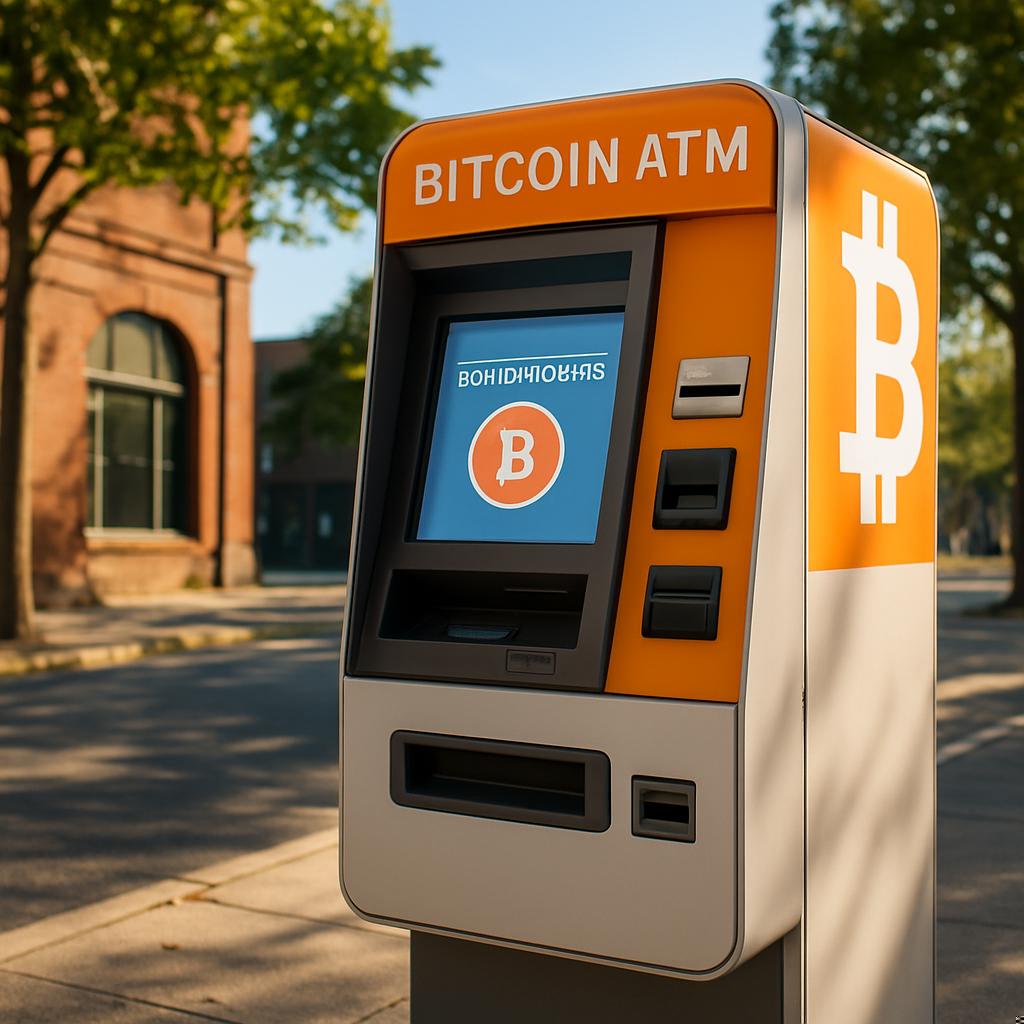
The first Bitcoin ATM was unveiled in 2013 and represented a pioneering step for cryptocurrency accessibility. It was installed in Vancouver, Canada, by a company called Robocoin. This machine allowed users to exchange cash for Bitcoin in a straightforward way, bypassing the need for online exchanges.
Robocoin’s ATM used a touchscreen interface and a built-in scanner to verify user identity and authenticate transactions. This innovation made Bitcoin more tangible to the public by providing a physical point of interaction. The machine’s launch attracted media attention and demonstrated that Bitcoin could function in a real-world retail environment.
Key points about the first Bitcoin ATM’s history:
- Launched in October 2013 in Vancouver.
- Developed by Robocoin, a Bitcoin startup.
- Allowed cash-to-Bitcoin and Bitcoin-to-cash transactions.
- Incorporated identity verification measures.
- Marked the first physical Bitcoin transaction point.
How did the first Bitcoin ATM work technically?
The first Bitcoin ATM combined hardware and software to facilitate secure cryptocurrency transactions. It integrated a cash dispenser and a bill acceptor, enabling two-way exchanges between physical currency and Bitcoin wallets.
Users interacted with the machine through a touchscreen interface, which guided them through the process. The ATM required users to scan their government-issued ID and generate a Bitcoin wallet QR code. This process ensured compliance with anti-money laundering (AML) regulations and Know Your Customer (KYC) standards.
The machine connected to the Bitcoin network to execute transactions in real-time. It also maintained a secure connection to backend servers to verify transactions and update balances. The combination of hardware and blockchain technology created an innovative financial service.
Technical features included:
- Bill acceptor for cash deposits.
- Cash dispenser for Bitcoin withdrawals.
- ID scanner for user verification.
- QR code scanner for wallet addresses.
- Real-time connection to Bitcoin blockchain.
Why was the first Bitcoin ATM important for cryptocurrency adoption?
The introduction of the first Bitcoin ATM helped demystify cryptocurrency and made it more approachable for everyday users. Prior to this innovation, buying and selling Bitcoin required navigating online exchanges, which could be intimidating for newcomers.
By providing a physical location for Bitcoin transactions, the ATM increased trust and convenience. People could now purchase Bitcoin with cash quickly, without needing a bank account or lengthy registration processes. This accessibility helped expand Bitcoin’s user base beyond tech-savvy individuals.
The presence of Bitcoin ATMs also signaled growing mainstream interest in cryptocurrencies. It attracted media coverage and public curiosity, contributing to wider acceptance and understanding of digital currencies.
Impact of the first Bitcoin ATM on adoption:
- Lowered barriers to entry for buying Bitcoin.
- Increased public awareness of cryptocurrencies.
- Enabled cash-based Bitcoin transactions.
- Encouraged other companies to develop similar machines.
- Helped integrate Bitcoin into everyday financial activities.
What challenges did the first Bitcoin ATM face?
Although revolutionary, the first Bitcoin ATM encountered several challenges during its early operation. Regulatory uncertainty was one of the biggest issues, as governments and financial authorities were still figuring out how to classify and oversee cryptocurrency transactions.
The machine’s reliance on ID verification was necessary for compliance but introduced privacy concerns for users accustomed to Bitcoin’s pseudonymous nature. Additionally, the limited geographic availability restricted access to only a small group of potential customers.
Operational challenges included technical glitches and the need to update software regularly to keep pace with Bitcoin network changes. Transaction fees were higher compared to online exchanges, which sometimes deterred frequent use.
Challenges included:
- Navigating unclear regulatory frameworks.
- Balancing user privacy with compliance.
- Limited deployment locations.
- Technical and maintenance issues.
- Higher transaction costs compared to online platforms.
How has the Bitcoin ATM evolved since the first machine?
Bitcoin ATMs have evolved considerably since the first one was installed in 2013. Modern machines now support multiple cryptocurrencies, including Ethereum, Litecoin, and others, offering more flexibility to users.
Advancements in technology have improved security, speed, and user experience. Many machines now provide two-way transactions, allowing users to both buy and sell cryptocurrencies instantly. Integration with mobile wallets and apps has made the process even more seamless.
The global Bitcoin ATM network has expanded rapidly, with thousands of machines installed worldwide in retail stores, airports, and shopping centers. This growth reflects increasing public demand for easy cryptocurrency access.
Recent developments include:
- Multi-cryptocurrency support.
- Enhanced biometric verification.
- Faster transaction times.
- Integration with mobile wallets.
- Wider geographic deployment.
Frequently Asked Questions
When was the first Bitcoin ATM installed?
The first Bitcoin ATM was installed in October 2013 in Vancouver, Canada, by the company Robocoin.
How did the first Bitcoin ATM verify users?
It used a government-issued ID scanner and required users to scan their Bitcoin wallet QR code for identity verification and transaction authentication.
What currencies could the first Bitcoin ATM handle?
The initial machine focused exclusively on Bitcoin transactions, allowing users to buy and sell Bitcoin for cash.
How many Bitcoin ATMs exist today compared to the first one?
There are now thousands of Bitcoin ATMs around the world, supporting multiple cryptocurrencies and offering enhanced features compared to the original machine.